Landscape Gardening in Herne Hill: Creating Beautiful, Practical Outdoor Spaces
Why Landscape Gardening in Herne Hill Matters
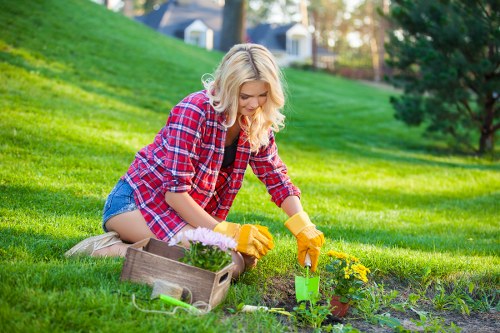
Landscape gardening in Herne Hill is about more than making a garden look attractive. In a lively South London neighbourhood where period homes, compact terraces, and family properties sit alongside modern extensions, outdoor space needs to work hard. A well-planned garden can offer calm after a busy day, create space for entertaining, support wildlife, and raise the overall enjoyment of a property.
Herne Hill has its own character, and that character often shapes the design choices people make. Some gardens are small and shaded by mature trees, while others enjoy wide boundaries, generous lawns, or sloping ground. Because of this variety, landscape gardening in Herne Hill must balance practicality with creativity. The best results come from designs that respond to the property, the light, the soil, and the way the garden will actually be used.
For homeowners, landlords, and local businesses alike, investing in landscape gardening can transform a neglected or awkward outdoor area into a space that feels purposeful and welcoming. Whether the aim is a low-maintenance retreat, a child-friendly lawn, or a stylish courtyard with year-round structure, a thoughtful approach brings long-term value.
Understanding the Local Conditions in Herne Hill
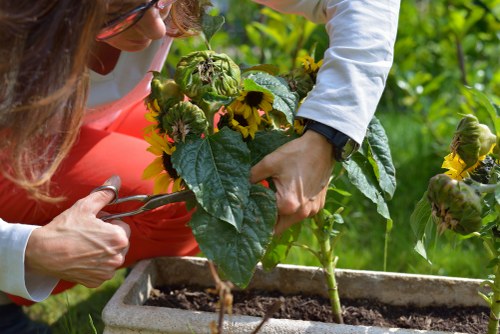
One of the most important parts of landscape gardening in Herne Hill is understanding local growing conditions. South London gardens often experience a mix of urban challenges and opportunities: shelter from surrounding buildings, pockets of shade, dry soil in certain areas, and competition from established roots. These conditions influence everything from plant selection to drainage planning.
Herne Hill also experiences the broader climate patterns of London, which means relatively mild winters, warm summers, and periods of drought followed by heavy rain. A smart garden design takes these shifts into account. For example, adding mulch, improving soil structure, and selecting resilient planting schemes can reduce maintenance while keeping the garden healthy throughout the year.
Another factor is aspect. Some homes in Herne Hill receive excellent sunlight, while others have north-facing or enclosed gardens that require a more tailored palette. In these spaces, landscape gardening often focuses on shade-tolerant plants, reflective surfaces, layered planting, and structural features that bring depth without relying on constant sun.
Common Garden Types Found in the Area
Herne Hill gardens come in many forms, and each one presents different design possibilities:
- Victorian and Edwardian gardens with long, narrow layouts and traditional proportions.
- Courtyard gardens that benefit from smart space-saving features and vertical interest.
- Family gardens where lawn, play space, and seating zones need to coexist.
- Sloping gardens that require terracing, steps, or level changes.
- Shaded gardens where planting and materials must work with reduced light.
Each garden type requires a slightly different approach. The best landscape gardening in Herne Hill always begins with a careful look at the site rather than a one-size-fits-all template. That is how outdoor spaces become more usable, more attractive, and easier to maintain over time.
In many cases, even a modest front or rear garden can be improved significantly with better layout, a refreshed planting scheme, and a few well-chosen focal points. Small changes often deliver a surprisingly large impact when they are designed with purpose.
Careful planning also helps avoid common frustrations such as poor drainage, awkward circulation, or planting that becomes overcrowded. When a garden works with the property rather than against it, the whole home feels more complete.
Planning a Landscape Gardening Project in Herne Hill
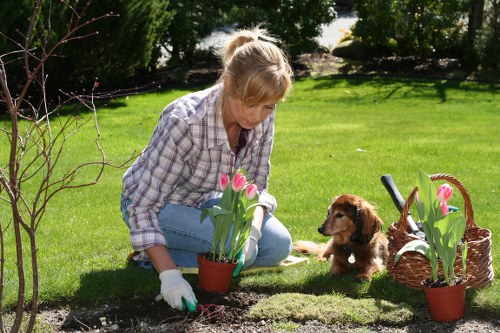
Successful landscape gardening in Herne Hill begins with a clear plan. Before any digging starts, it is worth considering how the space should function day to day. Will it be used for dining, relaxing, growing vegetables, entertaining, or children's play? Should it feel formal, relaxed, modern, or traditional? These questions shape the design from the start.
Good planning typically includes measuring the garden accurately, noting sunlight and shade, identifying existing features worth keeping, and deciding on a realistic budget. It is also wise to think about future maintenance. A garden filled with demanding plants and fragile materials may look impressive initially, but it can become tiring to manage. A balanced plan makes the garden enjoyable long after the first installation.
Landscape gardening projects often work best when broken into stages. For example, hard landscaping might come first, followed by planting, then lighting, and finally any decorative finishing touches. This staged approach allows homeowners to refine the space and manage costs sensibly.
Key Questions to Ask Before Starting
Ask yourself the following:
- What do I want from my garden throughout the year?
- How much time do I want to spend maintaining it?
- Which areas need more privacy or screening?
- Do I need safer, clearer access for family or guests?
- Would I prefer a low-maintenance design or a planting-rich garden?
These questions help shape a design that reflects real lifestyle needs, not just visual trends. That is one of the reasons landscape gardening in Herne Hill can add both beauty and function to a property.
Hard Landscaping Features That Make a Difference
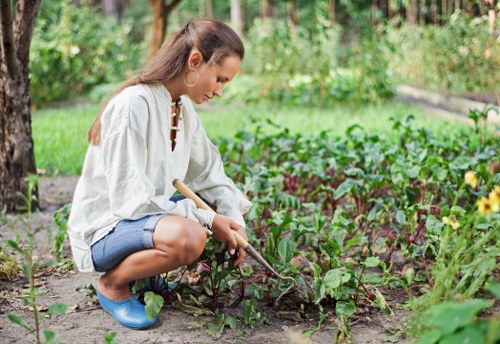
Hard landscaping forms the structure of the garden. In Herne Hill, this can include paving, decking, retaining walls, steps, paths, raised beds, fences, and seating areas. These features define zones and make a garden easier to use. They also influence the style and atmosphere of the space, which is why material choice matters so much.
For example, natural stone paving can create a timeless and elegant effect, while porcelain tiles offer a sleek, low-maintenance finish. Timber decking can warm up a contemporary space, and brick edging can echo the character of traditional London homes. The right material depends on the style of the property, the intended use of the garden, and the level of upkeep the owner prefers.
In landscape gardening in Herne Hill, hard landscaping often needs to solve practical issues too. A sloping garden may require retaining walls or terraced levels. A narrow garden may benefit from a diagonal path to create a sense of movement. A busy family space may need durable surfaces that are safe, easy to clean, and resilient under daily use.
Popular Hard Landscaping Elements
- Patios for outdoor dining and seating.
- Paths that improve circulation and connect different zones.
- Raised beds for planting structure and easier maintenance.
- Fencing and screening for privacy and enclosure.
- Steps and retaining structures for level changes and access.
When hard landscaping is installed properly, it gives the garden a strong framework. That framework supports the planting, lighting, and finishing details that bring everything together.
Planting Design for Year-Round Interest
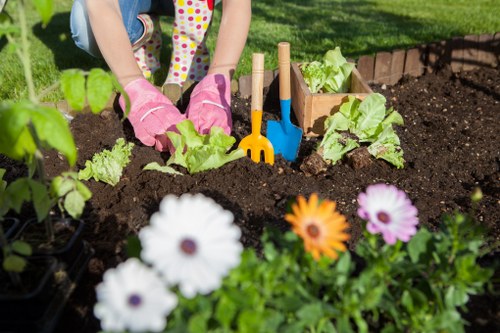
Planting is where landscape gardening in Herne Hill becomes especially rewarding. A well-designed planting scheme can change with the seasons, adding colour, movement, fragrance, and texture. It can also soften hard edges, improve privacy, and encourage birds, bees, and butterflies into the garden.
Because many Herne Hill gardens experience shade, partial shade, or variable light, plant selection must be thoughtful. Ferns, hellebores, hydrangeas, hostas, euphorbia, ornamental grasses, and shade-tolerant perennials can all perform well in the right setting. In sunnier areas, lavender, salvia, rosemary, verbena, and drought-tolerant grasses can bring structure and long-lasting colour.
It is often helpful to combine evergreen structure with seasonal interest. Evergreen shrubs provide shape in winter, while bulbs, perennials, and flowering shrubs add changing highlights through the warmer months. This layered approach keeps the garden looking alive even when some plants are resting.
Planting Principles That Work Well Locally
- Use a mix of heights and textures for depth.
- Choose plants suited to sun, shade, or partial shade.
- Include evergreen structure for winter interest.
- Plan for seasonal succession so something is always in bloom.
- Group plants with similar watering needs together.
Landscape gardening is not only about flowers; it is about structure, rhythm, and the feeling created by the whole planting palette. A balanced design can feel lush without becoming cluttered, and elegant without becoming sparse.
Creating Low-Maintenance Gardens in Herne Hill
Many homeowners looking for landscape gardening in Herne Hill want a garden that looks good without demanding too much time. Low-maintenance does not mean plain or boring. It means choosing materials, planting, and layouts that reduce unnecessary work while still delivering style and comfort.
Some of the most effective low-maintenance ideas include wider paving areas, fewer but larger planting beds, robust evergreen planting, and high-quality mulching to suppress weeds. Artificial turf may also suit some spaces, but natural lawns, meadow-style planting, and gravel features can be equally practical when designed well. The key is to match the solution to the lifestyle of the household.
Maintenance levels are also affected by access. If a garden is easy to reach, water, and mow, it will naturally be simpler to care for. Planning wider borders, sensible paths, and clear storage for tools makes upkeep less stressful. That is one reason why professional landscape gardening often focuses on improving not just appearance but also usability.
A low-maintenance garden should still feel personal. Small details such as a bench at the end of a path, a scented herb border, or a trellis covered in climbers can add charm without creating extra work. In Herne Hill, where outdoor space can be precious, this balance is especially valuable.
Outdoor Living Spaces for Modern Herne Hill Homes
One of the strongest trends in landscape gardening in Herne Hill is the creation of outdoor living spaces. People increasingly want their gardens to function as extensions of the home, whether that means a dining terrace, a morning coffee corner, or a sheltered area for gatherings with friends and family.
To make an outdoor living space successful, the design must consider comfort, flow, and atmosphere. Seating areas should be positioned where they feel natural and pleasant to use. Privacy screening, soft planting, lighting, and weather-resistant surfaces all help the garden feel like an inviting part of daily life. Even small gardens can offer distinct zones if they are planned intelligently.
Features such as pergolas, built-in benches, fire pits, and outdoor kitchens can elevate a space further. However, these additions should always support the overall layout rather than overwhelm it. A good garden feels coherent. Every feature has a role, and every zone contributes to the whole.
Useful Design Features for Social Spaces
- Outdoor dining patios with enough room for movement.
- Secluded corners for reading or quiet relaxation.
- Lighting schemes for evening ambience and safety.
- Climbing plants and trellises for softness and privacy.
- Durable surfaces that are practical in all seasons.
When these elements come together, the garden becomes more than a decorative backdrop. It becomes a place to live, unwind, and enjoy the changing seasons.
Sustainable Landscape Gardening in Herne Hill
Sustainability is increasingly central to landscape gardening in Herne Hill. Many homeowners want gardens that are attractive, resilient, and environmentally responsible. That often means making choices that save water, support wildlife, and reduce waste over time.
Some sustainable strategies include planting drought-tolerant species, improving soil health naturally, reusing existing materials where possible, and avoiding overly chemical-dependent maintenance routines. Rainwater collection, permeable paving, and wildlife-friendly borders can also make a meaningful difference. These choices support the long-term health of the garden while lowering environmental impact.
Wildlife-friendly design is especially beneficial in urban areas. Hedges, nectar-rich flowers, berries, and layered planting create shelter and food for birds and insects. Even a small Herne Hill garden can become a valuable mini habitat with the right planning. This not only helps the environment but also makes the space feel more vibrant and alive.
Landscape gardening that embraces sustainability tends to age well. It is usually more resilient in dry spells, easier to maintain, and better suited to long-term use. In a busy city setting, that practical advantage is hard to ignore.
Common Challenges and How to Overcome Them
Every garden has challenges, and landscape gardening in Herne Hill often involves solving a few common ones. Limited space, poor soil, awkward levels, lack of privacy, and insufficient light are frequent issues. The good news is that each of these can usually be addressed through intelligent design.
For narrow gardens, using repeated materials, clean lines, and vertical planting can make the area feel larger. For shady gardens, lighter paving, reflective surfaces, and layered planting create brightness and depth. For exposed gardens, wind-tolerant shrubs and sheltered seating areas can improve comfort. For poor soil, raised beds and soil improvement techniques can create much better growing conditions.
The most successful projects do not try to hide every limitation. Instead, they work with the existing conditions and turn them into strengths. A shady garden can feel cool and secluded. A small courtyard can feel intimate and elegant. A sloping plot can become a series of attractive terraces.
Professional landscape gardening is valuable because it combines creativity with problem-solving. It is not simply about choosing pretty plants; it is about making the space function beautifully in the real world.
Seasonal Care After the Garden Is Complete
Once a garden has been transformed, seasonal care keeps it looking its best. In landscape gardening in Herne Hill, maintenance usually involves a combination of pruning, feeding, edging, watering, weeding, and checking the condition of paths, fences, and planting structures. The exact routine will depend on the design, but regular attention prevents small issues from becoming larger ones.
Spring is often a time for fresh growth and light pruning. Summer brings watering demands and the need to keep paths, seating areas, and flowering beds in good order. Autumn is ideal for leaf clearance, soil improvement, and planting for the following year. Winter is the season to assess structure, repair materials, and plan changes for the next cycle.
A garden that is managed with the seasons will always feel more settled and enjoyable. This applies whether the style is modern, traditional, formal, or informal. Good maintenance protects the investment and ensures the design continues to perform well over time.
Simple Year-Round Maintenance Priorities
- Keep borders weed-free and mulched.
- Trim hedges and shrubs to preserve shape.
- Check drainage after heavy rain.
- Refresh planting where gaps appear.
- Clean paving, decking, and garden furniture regularly.
Why Professional Support Can Improve Results
Although some homeowners enjoy tackling projects themselves, professional support often makes a major difference in landscape gardening in Herne Hill. Experienced garden designers and landscapers bring knowledge of materials, planting, drainage, construction, and layout. That expertise helps avoid costly mistakes and leads to a more polished final result.
Professionals can also translate ideas into practical plans. Many people know the feeling they want from a garden but struggle to turn that vision into a workable layout. A skilled landscaping approach bridges that gap. It ensures the garden suits the property, the soil, the light, and the way the space will actually be used.
Another advantage is efficiency. With the right planning and implementation, the project can move forward smoothly, with less disruption and better long-term performance. That matters in urban neighbourhoods where access, neighbours, and time all need to be considered carefully.
If you are ready to improve your garden, contact us today to begin shaping a space that feels beautiful, practical, and tailored to your home. Book your service now and take the next step toward expert landscape gardening in Herne Hill.
Bringing It All Together
Landscape gardening in Herne Hill succeeds when design, planting, and practicality all work in harmony. The best gardens in the area are not only attractive but also comfortable to use, easy to maintain, and suited to local conditions. That means planning carefully, choosing the right materials, and selecting plants that thrive in the available light and soil.
Whether you are improving a small courtyard, redesigning a family garden, or refreshing a long-established outdoor space, the opportunity is the same: create a garden that supports your lifestyle and adds lasting value to your home. With the right approach, even modest spaces can become inviting, stylish, and highly functional.
For homeowners who want outdoor spaces that feel finished and purposeful, landscape gardening offers a practical and rewarding solution. From paving and pathways to planting and privacy, every element can contribute to a better garden experience. If you are looking for a transformed outdoor space in Herne Hill, now is the perfect time to start planning.