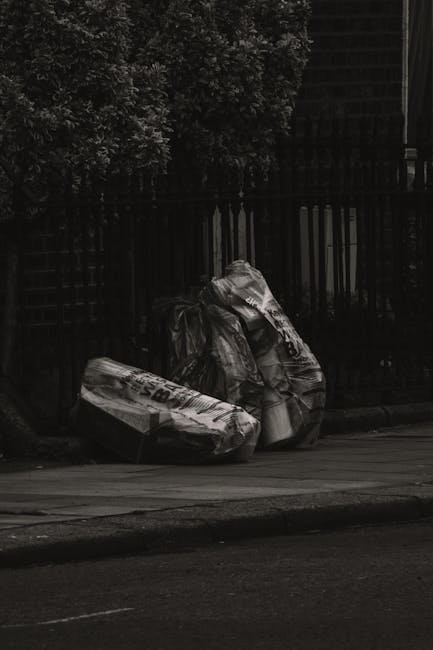
Waste disposal rules Lambeth council for Herne Hill gardeners
If you garden in Herne Hill, waste disposal can feel like the least glamorous part of the job. One minute you are cutting back a hedge or lifting sodden bags of weeds after a wet morning; the next you are trying to work out what Lambeth will take, what needs separate handling, and what should never go in the wrong bin. The good news? Once you understand the basics of Waste disposal rules Lambeth council for Herne Hill gardeners, everything becomes much simpler, safer, and far less stressful.
This guide breaks down the practical rules, the common mistakes, and the sensible ways to handle green waste, soil, branches, old timber, and mixed garden rubbish in a way that fits local expectations. It also shows when a professional service can save you time, backache, and a lot of messy trips around the borough. Let's face it, nobody wants a pile of torn bags sitting outside for two days in the rain.
Table of Contents
- Why Waste disposal rules Lambeth council for Herne Hill gardeners Matters
- How Waste disposal rules Lambeth council for Herne Hill gardeners Works
- Key Benefits and Practical Advantages
- Who This Is For and When It Makes Sense
- Step-by-Step Guidance
- Expert Tips for Better Results
- Common Mistakes to Avoid
- Tools, Resources and Recommendations
- Law, Compliance, Standards, or Best Practice
- Options, Methods, or Comparison Table
- Case Study or Real-World Example
- Practical Checklist
- Conclusion
- Frequently Asked Questions
Why Waste disposal rules Lambeth council for Herne Hill gardeners Matters
Garden waste is not just "stuff to get rid of". In Herne Hill, where many gardens are compact, shared, or tucked behind terraces, how you manage waste affects access, cleanliness, neighbour relations, and whether your garden project runs smoothly from start to finish. A tidy garden clearance is one thing; leaving bags of mixed waste on the pavement is another entirely.
The main reason these rules matter is simple: different types of garden waste need different handling. Grass cuttings, leaves, prunings, soil, broken pots, treated timber, and old fencing are not all treated the same way. Mixing them together can create extra disposal costs, delays, or refusals from collection services. And if you are working close to a boundary or shared alley, poor waste handling can quickly become a nuisance issue. You know how it goes. One bag too many, and suddenly everyone notices.
There is also a safety angle. Wet bags can split. Sharp branches can puncture liners. Heavier waste can strain your back if you try to shift it in one go. If you are maintaining a garden regularly, getting disposal right helps you keep the job efficient rather than chaotic.
For gardeners who also manage larger clearances, routine upkeep, or one-off seasonal cuts, sensible disposal supports the whole workflow. It is part of professional garden maintenance, not an afterthought. If you are already planning broader work such as garden maintenance or garden clearance, waste planning should sit right alongside the job list, not at the end when you are already tired.
How Waste disposal rules Lambeth council for Herne Hill gardeners Works
At a practical level, the system is about sorting, storing, and presenting waste correctly. If you are dealing with small amounts from your own garden, you may be able to manage it through household routes, while larger or bulkier volumes usually need a more deliberate plan. The exact route depends on what the waste is, how much there is, and whether it is clean green material or a mixed load.
Think of garden waste in three broad groups:
- Green waste: grass, leaves, weeds, hedge trimmings, soft prunings, and plant material.
- Hard garden waste: branches, root balls, timber, fencing offcuts, broken canes, old edging, and some landscaping debris.
- Mixed or contaminated waste: waste combined with plastic, general household rubbish, treated wood, rubble, soil, or items that do not belong in a green waste stream.
That split matters because clean green waste is often easier to process. Mixed waste can be more expensive and may need separate collection. A load of hedge clippings is one thing; a load of hedge clippings plus broken terracotta, old compost bags, and a busted rake is quite another.
If you are using a professional gardening service, it helps to ask upfront how waste is sorted, removed, and documented. Reputable teams will usually separate reusable or recyclable material where practical and keep waste handling tidy. That is one reason many people pair disposal planning with a service such as gardening services or a more focused job like hedge trimming or lawn mowing.
For larger jobs, a proper waste plan can also help you avoid repeated handling. Pick it up once, sort it once, move it once. Simple. Not always easy, but simple.
Key Benefits and Practical Advantages
Good waste handling is one of those unglamorous habits that pays you back every time. It keeps the work area safer, makes the garden look better faster, and stops you from revisiting the same mess twice.
- Cleaner finishes: a garden looks genuinely finished when waste is fully removed, not tucked behind a shed or hidden under tarpaulin.
- Lower mess and disruption: well-separated waste means fewer spills, fewer smells, and less damage to paths or lawns.
- Better compliance: following local expectations reduces the risk of improper disposal.
- Less physical strain: staged removal is far kinder to your shoulders and lower back than a last-minute slog.
- More efficient projects: clear waste handling helps with planning, loading, and access, especially in narrow Herne Hill spaces.
There is another benefit that often gets overlooked: reputation. If you garden for clients, or even just help out in a shared building, a neat waste routine makes you look organised and trustworthy. That matters more than people admit.
For businesses and independent gardeners, it also supports the wider sustainability message. If reducing landfill and handling organic material responsibly matters to you, it is worth reading the site's own recycling and sustainability page alongside your disposal planning.
Who This Is For and When It Makes Sense
This topic is relevant to a wide range of people in Herne Hill, not just full-time gardeners. If you have ever dragged a soaking sack of weeds across a patio and wondered whether you are doing it the "right" way, this is for you.
It makes sense for:
- homeowners keeping on top of regular garden maintenance
- landlords and managing agents dealing with communal outdoor spaces
- tenants with small front or rear gardens
- busy households doing seasonal tidy-ups
- gardeners handling client work across Lambeth
- people with bulky waste from pruning, clearance, or landscaping changes
It also matters more when you are working on larger or heavier jobs, such as tree work, fence removal, or redesigns. A simple hedge trim creates a light waste load. Removing a mature shrub border or clearing a neglected corner can produce far more material than you expect. Those projects often sit closer to tree surgery, tree lopping and removal, or even fencing if rotten panels and old posts come out at the same time.
If you are undecided about whether to handle the waste yourself or hand the job over, a good rule of thumb is this: if sorting and moving the waste will take more effort than the garden work itself, professional removal is probably worth considering.
Step-by-Step Guidance
Here is a straightforward way to handle garden waste without making the day harder than it needs to be.
- Identify the waste type. Separate green waste from soil, rubble, treated timber, plastics, and household rubbish.
- Reduce volume first. Chop branches, shake soil from roots, and flatten anything safe to compress. This saves bags and space.
- Keep clean waste clean. Do not mix in broken pots, packaging, or food waste. Contamination makes disposal harder.
- Bag or bundle sensibly. Use suitable bags or ties that can actually hold the weight. Overfilled bags split at the worst moment, usually just after you have lifted them.
- Store safely before collection. Keep waste off paths where possible and avoid blocking access for neighbours or service vehicles.
- Arrange the correct removal method. Match the waste to the right collection or clearance option, especially for bulkier loads.
- Do a final sweep. Check for loose twigs, soil patches, nails, or hidden debris before you call the job done.
If you are working on a lawn, edging, or general tidy-up, it helps to pair your cleanup routine with the rest of the task rather than splitting your attention. A job can look finished, then a few wet leaves and a stray pile of cuttings remind you it really is not. That final sweep matters.
And if the work forms part of a broader refresh, services such as lawn care, patio cleaning, or landscape gardening can be easier to manage when the waste plan is built in from the start.
Expert Tips for Better Results
After enough garden clearances, a few habits stand out. They are not complicated, just practical.
- Sort as you go. A pile marked "deal with later" tends to become the whole problem by the end of the day.
- Use the right size containers. Small bags for heavy material are better than giant ones that are impossible to lift.
- Keep wet and dry waste separate where possible. Wet grass and rain-soaked leaves get heavy very quickly.
- Break down bulky items early. Long branches, old trellis, and awkward offcuts become much easier to move once reduced.
- Protect surfaces. If you are dragging waste over paving or decking, use boards or trays to prevent stains and scratches.
- Plan for access. In Herne Hill, tight side paths and shared entrances can make collection awkward, so know your route before the bags start piling up.
One small but useful tip: keep one bag or tub aside just for "unknowns". Bits of wire, old labels, plant ties, and the occasional surprise stone have a habit of turning up during a tidy-up. Better in one container than scattered through everything else.
If you are managing a property regularly, combining waste planning with garden maintenance can keep everything calmer. Less panic, fewer double-handles, better results. That is the idea.
Common Mistakes to Avoid
Most disposal headaches come from a handful of avoidable mistakes. To be fair, they are very human mistakes. People are busy, the weather changes, the bin is already full, and suddenly the easiest option looks like the wrong one.
- Mixing green waste with general rubbish. This is one of the quickest ways to complicate disposal.
- Putting heavy soil in weak sacks. It sounds fine until the bottom gives way across a path.
- Leaving waste where it blocks access. That can create problems for neighbours, collections, or even emergency access.
- Assuming all garden waste is the same. It is not. Treated timber and rubble should not be treated like leaf litter.
- Forgetting sharp items. Broken pruners, bamboo stakes, and offcuts can injure hands and puncture bags.
- Underestimating volume. A small border can produce a surprising amount of waste once you start cutting back properly.
Another common slip is trying to squeeze waste disposal into the very end of the day, when energy is low and shortcuts start to look clever. They rarely are. A cleaner, earlier plan almost always works better.
Tools, Resources and Recommendations
You do not need a huge amount of equipment, but the right basics make the job safer and tidier.
| Tool or Resource | Best Use | Why It Helps |
|---|---|---|
| Heavy-duty garden bags | Grass cuttings, leaves, light prunings | Handles typical green waste more safely than thin sacks |
| Tarpaulin or sheet | Moving loose waste to a collection point | Keeps pathways cleaner and reduces repeated carrying |
| Secateurs and loppers | Reducing branch size | Makes bulky waste more compact and easier to load |
| Wheelbarrow or garden trolley | Transporting heavier loads | Reduces strain and improves control on narrow paths |
| Separate tubs or crates | Sort small mixed debris | Helps prevent contamination |
| Professional garden clearance support | Large, mixed, or time-sensitive jobs | Saves time and keeps disposal organised from the start |
If waste handling is part of a larger job, it can help to consider the full scope, not just the visible mess. A hedge trim might also create side access issues. A tree job can leave heavy branches and awkward stumps. A patio refresh often reveals debris around the edges. In those cases, related services such as hedge trimming or patio cleaning may fit into the same clean-up plan.
For many local gardens, the most useful resource is not a fancy product. It is simply a clear sequence and enough bags, enough time, and enough common sense. Oddly rare on a windy Tuesday, but still.
Law, Compliance, Standards, or Best Practice
When people ask about council waste rules, they usually want the practical answer more than the legal theory. Fair enough. The safest approach is to treat garden waste carefully, keep it separate from household refuse where appropriate, and avoid leaving anything out in a way that could create litter, obstruction, or nuisance.
In the UK, waste should generally be handled responsibly, and licensed or approved routes may be needed for larger or non-standard loads. For gardeners, best practice usually means:
- sorting material before removal
- avoiding contamination of green waste
- not dumping waste in public spaces or on land you do not control
- keeping hazardous items out of ordinary garden waste streams
- using suitable transport and storage methods for bulky material
If you are working professionally, it is sensible to keep your processes tidy and documented, especially when you are clearing waste from client gardens. Safety expectations matter too. For example, if you hire help or subcontract tasks, the team should understand safe lifting, cutting, handling, and site cleanliness. The site's own health and safety policy and insurance and safety information show the sort of standards worth expecting from any serious garden contractor.
Best practice is not about being perfect. It is about doing the sensible thing consistently. A neat, compliant waste routine protects you, your garden, and the people around it.
Options, Methods, or Comparison Table
There is no single right way to dispose of garden waste. The best method depends on volume, waste type, access, and how quickly you want the space cleared.
| Method | Best For | Pros | Limitations |
|---|---|---|---|
| Home sorting and small-bag disposal | Light weekly or fortnightly garden upkeep | Low cost, straightforward, flexible | Time-consuming for bigger jobs; can be messy if overloaded |
| Staged DIY removal | Medium jobs split over several sessions | More manageable physically | Can drag on and clutter the garden if not planned well |
| Professional garden clearance | Large, mixed, or urgent clearances | Fast, organised, less physical strain | Usually higher upfront cost |
| Combined maintenance and clearance | Recurring upkeep with regular waste output | Efficient and tidy over time | Needs a more consistent schedule |
In many Herne Hill homes, the choice comes down to access and scale. A small courtyard might be easier to manage with regular maintenance and light waste removal. A large back garden with mature shrubs may be better served by a combined clearance approach. If you are unsure, the sensible move is to estimate the waste before you start, not after the mountain has already appeared.
Case Study or Real-World Example
Picture a familiar Herne Hill setup: a back garden with a tired lawn, two overgrown borders, and a hedge that has been quietly expanding for about three summers too long. The owner starts with a simple plan to "just tidy it up a bit". By midday, there are bags of cuttings, a pile of woody prunings, several broken canes, and an unexpected heap of old plant supports found under the ivy.
At that point, the waste is no longer a side issue. It is the job.
The cleaner approach is to sort the material as it comes off the plants. Soft green waste goes one way. Harder branches and old supports go another. Soil and root balls stay separate. Anything broken or treated is held back for a different disposal route. Once the waste is divided properly, the garden looks transformed much faster, and the person doing the work does not spend the rest of the afternoon wrestling with an awkward mixed load.
That kind of job is exactly where a broader service mix helps. A client might start with lawn care, add gardening services, and finish with a proper clearance so the whole space feels reset rather than merely cut back. The difference is obvious when you walk out into the garden the next morning and the space actually breathes again.
Practical Checklist
Use this checklist before and during disposal planning:
- Have I separated green waste from general rubbish?
- Have I identified any soil, rubble, or treated timber that needs different handling?
- Do I have enough sturdy bags or containers?
- Are there sharp items or hidden debris mixed in?
- Is there a clear route for moving waste without blocking access?
- Have I reduced bulky branches and offcuts where possible?
- Is the waste stored safely until collection or removal?
- Have I checked whether the job is small enough for DIY handling or better suited to clearance support?
- Have I protected paving, decking, and lawns from spills?
- Did I do a final sweep for loose clippings and stray twigs?
Expert summary: the smoothest waste disposal plans are usually the boring ones. Sort early, carry less, keep loads clean, and clear everything in one proper finish. It saves time, it looks better, and it avoids those annoying little surprises that always seem to happen five minutes before you are done.
Conclusion
For Herne Hill gardeners, understanding Waste disposal rules Lambeth council for Herne Hill gardeners is really about making garden work easier, safer, and cleaner. When you sort waste properly, you protect your garden, reduce hassle, and avoid turning a neat project into a lingering problem.
Whether you are pruning a small border, tackling a seasonal clear-up, or managing a larger property job, the best results come from planning the waste before you start. Keep green waste separate, treat bulky material with respect, and do not underestimate how much a garden can produce once the shears come out. It happens every time, honestly.
If your garden job is getting bigger than expected, or you want a cleaner finish without the faff, it may be time to look at support that keeps disposal under control from day one. And if you are comparing options, it is always worth checking the practical details around service scope, scheduling, and value via the site's pricing and quotes information.
Get a free quote today and see how much you can save.
Good garden work should leave you with space to enjoy, not a trail of bags to stare at. A tidy finish has a way of lifting the whole place, and the day, just a little.
Frequently Asked Questions
What counts as garden waste in Herne Hill?
Garden waste usually includes grass cuttings, leaves, weeds, hedge trimmings, soft prunings, and other plant material. Harder materials such as timber, soil, rubble, and old fencing often need separate handling.
Can I put all garden waste in the same bag?
It is usually better not to. Mixing green waste with soil, plastics, treated wood, or household rubbish can make disposal harder and may increase the chance of a collection problem.
Do Lambeth council rules treat green waste differently from general rubbish?
In practice, yes. Green waste is usually best kept separate from general refuse so it can be managed appropriately. Mixed loads are more likely to need extra sorting or a different disposal method.
What should I do with large branches after hedge trimming?
Cut them down into manageable sections, keep them separate from soft waste, and arrange a suitable removal method. If the volume is large, a clearance service is often the least painful option.
Can I leave garden bags on the pavement until collection day?
Only if they are stored safely and in a way that does not obstruct the public highway or create a nuisance. In shared or narrow Herne Hill streets, access matters quite a lot.
Is soil considered garden waste?
Soil is usually handled differently from green waste. It is heavy, awkward, and not something to mix into ordinary garden bags unless the container is suitable and the route of disposal is appropriate.
What is the best way to handle waste from a full garden clearance?
Sort the waste into categories before removal: green waste, hard waste, soil, and any items that need special handling. This makes collection faster and reduces the chance of contamination.
How can I reduce garden waste before collection?
Cut branches shorter, compress soft material, shake soil from roots, and separate reusable or recyclable items. A little preparation can save a surprising amount of space.
Do I need professional help for a small garden tidy-up?
Not always. Small, light jobs can often be handled yourself. But if the waste is bulky, mixed, heavy, or time-sensitive, professional help is often more efficient.
What happens if I mix treated wood with green waste?
It can contaminate the load and make disposal less straightforward. Treated timber should be handled separately from ordinary green garden waste where possible.
Is it worth combining garden maintenance with waste removal?
Yes, often it is. Regular maintenance tends to generate predictable waste, which makes planning easier and keeps the garden looking finished rather than half-done.
How do I know whether my garden waste is too much for DIY disposal?
If the waste is taking up most of your storage space, is difficult to lift, or needs multiple trips, it is probably beyond a simple DIY tidy. That is usually the point where a dedicated clearance service starts to make sense.
For any gardener in Herne Hill, a sensible waste routine is one of the quiet foundations of a good-looking garden. Get that right, and the rest tends to fall into place.