Trusted gardeners in Herne Hill SE24 for garden maintenance
If your garden in Herne Hill is looking a little tired, overgrown, or simply harder to keep on top of than it used to be, you are not alone. London gardens have a habit of getting away from people - one wet week, one busy month, and suddenly the hedges are fidgety, the lawn is patchy, and the patio has gone from "cosy" to "slightly forgotten". That is where trusted gardeners in Herne Hill SE24 for garden maintenance make a real difference. They do more than tidy. They help keep your outdoor space healthy, safe, and genuinely enjoyable, week after week.
This guide explains what reliable garden maintenance should include, how a good local service works, what to ask for, and how to avoid paying for work that looks neat for a day but does not last. It is written for homeowners, landlords, tenants, and anyone who wants their garden to look cared for without spending every weekend wrestling with weeds.
Table of Contents
- Why trusted garden maintenance matters in Herne Hill
- How garden maintenance works in practice
- Key benefits and practical advantages
- Who this is for and when it makes sense
- Step-by-step guidance
- Expert tips for better results
- Common mistakes to avoid
- Tools, resources and recommendations
- Law, compliance, standards and best practice
- Options, methods and comparison table
- Case study or real-world example
- Practical checklist
- Conclusion
- Frequently asked questions
Why trusted gardeners in Herne Hill SE24 for garden maintenance matters
Herne Hill gardens tend to be a mix of compact town plots, mature residential gardens, side returns, and awkward spaces that need a bit of judgement rather than brute force. You do not always need a full redesign. More often, you need regular care that respects what is already there: the plants that are doing well, the shaded corner that struggles every spring, the hedge that has become a bit too ambitious, and the lawn that needs consistent attention rather than an occasional heroic mow.
Trust matters because garden maintenance is personal. A garden is part of your home, and a good gardener is often working around your routines, privacy, pets, children, storage, and sometimes fragile planting. One rushed visit can damage borders, leave waste behind, or overcut shrubs that needed a lighter touch. A trusted local gardener understands that every garden in SE24 has its own rhythm. A few terraces here, a long narrow lawn there, a north-facing corner that never quite dries out. You get the idea.
There is also a practical side. Regular maintenance usually prevents small issues from turning into expensive ones. Weeds set seed, hedges thicken, moss creeps in, and patios lose grip. Left alone, even a decent garden can become more work than it should be. If you want a neat, low-stress outdoor space, reliable upkeep is the easier path. Truth be told, it is usually cheaper than a full rescue job later.
For many people, this is also about confidence. You want to know the person arriving at your gate understands plant care, uses the right tools, and will leave things tidy and safe. That confidence is built by clear communication, visible experience, sensible pricing, and the kind of work that looks good in the details, not just in the wide shot.
How garden maintenance works in practice
Good garden maintenance is not just "mow and go". It is a planned service that keeps the whole outdoor space under control. Depending on the garden, that might mean lawn care, hedge trimming, pruning, border tidying, weed removal, patio cleaning, leaf clearance, and seasonal planting support. Some gardens need weekly attention in the growing season. Others only need a structured monthly or fortnightly visit. There is no single correct setup.
A sensible process often starts with an assessment. The gardener looks at the size of the garden, current condition, access, surface types, planting density, and any problem areas. For instance, a garden with a neglected hedge and a shaded border may need very different care from a small courtyard with containers, paving, and a few ornamental shrubs. If you are dealing with a garden that has got away from you, it may help to read advice on revamping a neglected garden before you book anything, because it gives you a sense of what proper recovery work actually involves.
From there, a maintenance plan is agreed. This may include recurring visits or one-off jobs. In many cases, the first visit is the heaviest because it deals with the backlog. After that, the work becomes lighter and more predictable. That is the bit people sometimes miss. A garden that is regularly maintained rarely needs the dramatic catch-up sessions that eat time and budget.
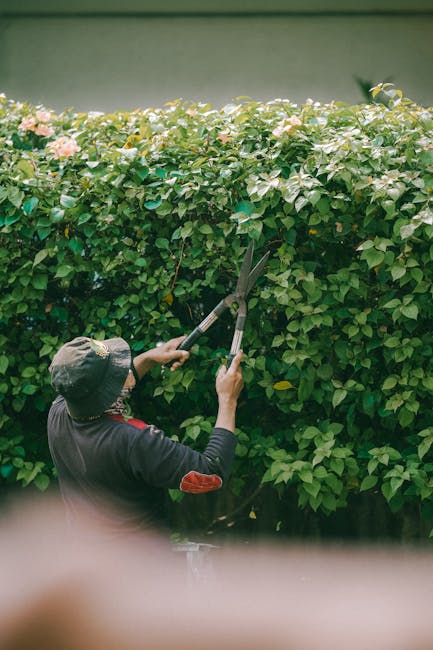
For structural work, a gardener may recommend specialist services too. Overgrown hedges, for example, can benefit from focused attention. There is a useful distinction between general maintenance and dedicated hedge work, and the two should not be muddled together. If your boundary planting is a big part of the problem, the page on hedge trimming in Herne Hill is a natural next stop.
Seasonality matters as well. Spring and summer are usually about growth control, feeding, and keeping moisture levels sensible. Autumn is about clearing leaves, preparing beds, and protecting plants before the cold sets in. Winter maintenance may be lighter, but it still matters. A good gardener will adjust the schedule instead of using the same checklist all year. That is a small thing, but it separates proper care from generic labour.
Key benefits and practical advantages
The strongest benefit is simple: a garden that feels looked after. But underneath that, there are several practical advantages that make maintenance worth it.
- Healthier planting: Regular pruning, feeding, and weeding give plants better conditions to thrive.
- Safer pathways and surfaces: Clear edges, swept paving, and managed growth reduce slips and trips.
- Better kerb appeal: A tidy front or rear garden makes the whole property feel more complete.
- Less weekend pressure: You get your free time back. Simple as that.
- Earlier problem spotting: A regular gardener notices pest damage, disease, drainage issues, or stressed shrubs before they spread.
- More usable space: Overgrown areas become seating areas, play areas, or just calmer places to sit with a coffee.
There is also a quiet emotional benefit. A maintained garden is easier to enjoy. You notice the scent of cut grass, the contrast between clean paving and soft planting, and the way a border feels more deliberate when weeds are kept in check. It sounds a bit romantic, maybe, but it is true. Outdoor spaces work best when they are usable, not just visible.
If privacy is part of your brief, maintenance can support that too. Well-chosen hedging and climbers need routine care to stay dense and attractive. For ideas, you can look at fast-growing hedges for privacy and evergreen climbers for shaded spaces. Both are useful if you want screening without turning the garden into a wall of green.
Who this is for and when it makes sense
Garden maintenance is not just for people with huge lawns and ornamental borders. In Herne Hill, it makes sense for a surprisingly wide range of households.
- Busy homeowners who want the garden to stay under control without sacrificing evenings and weekends.
- Landlords and letting agents who need outdoor areas kept tidy for viewings and inspections.
- Older residents who prefer to avoid physically demanding tasks such as pruning, lifting, and mowing.
- Families who want the garden safe, manageable, and pleasant for children.
- Pet owners who need clear, low-risk outdoor areas with practical ground cover and tidy boundaries.
- New movers who have inherited a garden that needs immediate attention.
It also makes sense when your garden changes with the seasons faster than you can keep up. One month it is spring growth everywhere; the next, the weather has turned and half the borders are collapsing into each other. If that sounds familiar, you may want a steady maintenance schedule rather than one-off rescue visits.
There are also design-specific situations where maintenance is the only thing keeping the space workable. Container gardens, vertical gardens, and compact urban plots can look fantastic, but they often need more regular intervention than bigger gardens. For practical guidance, the articles on container gardening and vertical gardens for urban spaces are worth a read.
And if you have a garden that changes with the family - pets, children, guests, weekend barbecues, all of that - a maintenance plan has a way of keeping it pleasant instead of chaotic. Not perfect. Just pleasant. Which, to be fair, is often the real goal.
Step-by-step guidance
Here is a practical way to approach garden maintenance with a trusted local gardener in SE24.
- Walk the garden and name the priorities. Decide what matters most: lawn condition, hedges, weed control, patio cleaning, border tidy-up, or general recovery.
- Be honest about the current state. A patchy lawn, overgrown shrub, or neglected side return is not a problem if the gardener knows about it upfront.
- Ask for a maintenance structure. One-off, monthly, fortnightly, or seasonal? A good plan prevents surprise gaps.
- Clarify the scope. Does the service include green waste removal, edging, deadheading, and light pruning? Do not assume.
- Discuss plant-sensitive areas. Some beds need careful hand weeding or lighter cuts. Mention anything fragile or newly planted.
- Agree access and timing. Particularly in Herne Hill, where many properties have narrow access points, side returns, or shared boundaries.
- Review the first visit. After the initial tidy, check whether the garden looks balanced, not just cut back.
- Adjust the schedule. If growth is faster than expected, increase frequency; if the garden is stable, reduce it a little.
If you want a more structured look at service planning and what to expect from recurring care, the main garden maintenance service page is a sensible reference point. For broader support beyond routine upkeep, you can also explore gardening services and lawn care.
A small but useful note: the best maintenance decisions are usually boring ones. Regular, measured, repeatable. That is not flashy, but it works.
Expert tips for better results
These are the sort of things that make maintenance look polished rather than merely tidy.
- Keep a "do not touch too hard" list. This is useful for favourite shrubs, spring bulbs, and young plants that can be damaged by overzealous cutting.
- Prioritise edges. Clean lawn edges and border lines change the feel of a garden instantly. Small detail, big effect.
- Use seasonal waste wisely. Organic cuttings can sometimes be composted or repurposed rather than removed, depending on the condition of the material. The article on turning garden waste into soil nutrition gives a useful perspective.
- Do not chase perfection on every visit. A good garden is balanced, not overworked. Some growth is healthy.
- Match the maintenance to the garden style. A Japanese-inspired calm space needs different handling from a wildlife-friendly border or a family lawn.
- Watch water and shade patterns. A plant that keeps failing in one corner may not be "fussy"; it may just be in the wrong place.
One of the best habits is to take a quick photo after a maintenance visit. Not for social media. Just for comparison. Two or three months later, you will see what has changed and whether the routine is actually working. Sometimes the answer is yes, very clearly yes. Sometimes, not quite, and that is useful too.
If you want to stay ahead of seasonal issues, look at guides on winter garden protection and managing windy conditions. Herne Hill weather can be a bit of a nuisance, honestly. Not dramatic, just persistently inconvenient.
Common mistakes to avoid
Most garden maintenance problems come from a few repeat errors. Easy to make, easy to avoid once you know what to watch for.
- Choosing a service only on price. Cheap is not always bad, but if the scope is unclear, the savings can disappear quickly.
- Letting the garden get too far behind. A small monthly visit is often easier than a huge seasonal rescue.
- Assuming all pruning is the same. Different plants need different timing and technique. A rough trim can spoil flowering for months.
- Ignoring lawn health. Cutting grass is not the same as looking after grass. Lawn care includes feeding, scarifying, edging, and identifying weak patches.
- Forgetting access issues. Tools, waste bags, wheelbarrows, and wet cuttings need a clear route. Sounds obvious, but it catches people out.
- Overloading the first visit. If the garden needs a full reset, say so. Do not expect a single tidy-up to solve years of build-up.
There is also the classic mistake of treating your garden like a spreadsheet. Every square metre does not need to be productive or decorative. Sometimes a quiet patch of ground cover, a shady border, or a simple seating corner is the best use of space. If you are considering a softer, lower-maintenance feel, the page on ground cover plants for UK gardens is worth a look.
Tools, resources and recommendations
A capable gardener brings the right equipment, but it helps to understand what those tools do. It makes the whole process feel less mysterious, and you can judge the work more confidently.
| Tool or resource | What it helps with | Why it matters |
|---|---|---|
| Strimmer or mower | Lawn cutting and rough grass | Keeps edges and grass height under control |
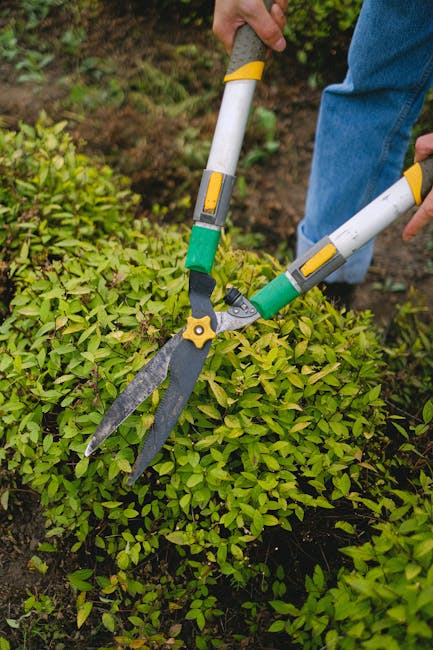
| Hand shears and secateurs | Pruning and light shaping | Better control around shrubs and sensitive plants |
| Weeding tools | Border and path weed removal | Reduces competition and stops seed spread |
| Rake and leaf collector | Autumn tidy-ups and surface clearance | Improves safety and stops debris building up |
| Compost or soil improver | Feeding beds and improving soil structure | Supports healthier plant growth over time |
| Maintenance schedule | Planning recurring visits | Prevents seasonal overload and keeps standards consistent |
For practical knowledge, the article on essential gardening tools is a good companion read. So is starting planting successfully if you want to understand how maintenance links with healthy growth from the beginning.
If your garden includes features like decking or hard landscaping, maintenance can extend beyond plants. A slippery surface, algae build-up, or awkward transitions between planting and paving are all part of the real picture. In those cases, patio cleaning and decking services can complement routine upkeep.
Law, compliance, standards and best practice
Most garden maintenance in a domestic setting is straightforward, but trusted gardeners should still follow sensible UK best practice. That includes working safely, disposing of waste properly, respecting property boundaries, and using equipment responsibly. If work involves ladders, cutting tools, tree work, or access near neighbours, care matters more than ever.
There are a few plain-English things to look for:
- Insurance awareness: A professional gardener should be able to explain how they manage risk and what happens if something goes wrong. The page on insurance and safety is useful for understanding this side of the service.
- Health and safety: Good practice means using tools properly, keeping walkways clear, and handling waste and sharp equipment with care. See the health and safety policy for a clearer picture of standards.
- Clear terms: Service scope, cancellations, payment timing, and expectations should be easy to understand. That is what the terms and conditions page is for.
- Payment security: Customers should feel comfortable about how payments are handled. For that, check payment and security.
- Complaints handling: A trustworthy company does not disappear when something needs fixing. It has a proper process. The complaints procedure matters more than many people think.
There is no need to be alarmist about any of this. It is simply good practice. A gardener working in someone's home should be organised, respectful, and transparent. That is the baseline, not the bonus.
If you want to understand the business side before booking, the pricing and quotes page can help you see how services are structured. And if you are comparing providers, the about us page is usually a sensible place to check experience and approach.
Options, methods and comparison table
Garden maintenance is not one-size-fits-all. Most homeowners choose between a few common approaches, and the right option depends on the condition of the garden, how much time you have, and how consistent you want the result to be.
| Approach | Best for | Strengths | Limitations |
|---|---|---|---|
| One-off tidy-up | Overgrown or neglected gardens | Fast reset, visible improvement | Does not maintain momentum unless repeated |
| Weekly maintenance | Fast-growing gardens and high-use homes | Consistent appearance, less catch-up work | Can be more than some gardens need |
| Fortnightly visits | Typical residential gardens | Balanced cost and control | May need seasonal adjustments |
| Seasonal maintenance | Lower-growth spaces or budget-conscious owners | Supports key tasks at important times | Small issues may build between visits |
| Specialist support | Hedges, lawns, tree work, hard surfaces | Focused expertise for problem areas | Often works best alongside general maintenance |
If the garden has more than one issue, a mixed approach usually works best. For example, you might book routine garden maintenance and then add a one-off hedge or lawn intervention. That is often more efficient than asking a general tidy-up to solve everything at once.
Specialist adjacent services can be useful too. Lawn mowing and lawn care are obvious examples, while tree surgery or fencing may come into play if your outdoor space needs more structural attention.
Case study or real-world example
Here is a realistic example based on a common Herne Hill scenario. A family moves into a SE24 property with a medium-sized rear garden. The lawn is uneven, a laurel hedge has started leaning into the path, weeds are spreading through the borders, and the patio has a film of moss that makes it slippery after rain. Nothing dramatic. Just enough to be annoying every time they look outside.
They do not need a complete landscaping overhaul. What they need is a reset and a routine.
In the first visit, the gardener clears debris, trims the hedge carefully, removes weeds, edges the lawn, and cleans the patio surface. The garden instantly looks larger. More importantly, the space becomes easier to maintain because the edges are visible again and the problem areas are not smothering everything else.
On subsequent visits, the work becomes lighter: mowing, tidying borders, keeping the hedge from getting bossy again, and checking that drainage around the paving is not causing moss to return too quickly. Within a few weeks, the garden no longer feels like a weekend burden. It feels manageable. That change is huge, actually.
If the family also wants a softer, more calming layout, they could add simple seating and some low-maintenance planting. The garden seating solutions guide is helpful here, as is zen garden ideas for a more relaxed mood.
Practical checklist
Use this checklist when hiring or reviewing a garden maintenance service in Herne Hill SE24.
- Is the service clearly local and easy to contact?
- Have you explained the garden's current condition honestly?
- Do you know what is included in each visit?
- Have you asked whether waste removal is included?
- Have you discussed hedges, lawns, borders, paths, and any fragile planting?
- Is there a realistic schedule for the season ahead?
- Have you checked safety, insurance, and working practices?
- Do you understand the pricing structure before work starts?
- Have you agreed access arrangements and preferred visit times?
- Is there a clear way to raise concerns if something is not right?
And one more thing. Ask yourself: do you want a one-time tidy, or a garden that stays good? It sounds like a tiny distinction, but it shapes everything.
Conclusion
Trusted gardeners in Herne Hill SE24 for garden maintenance bring more than convenience. They bring consistency, judgement, and the kind of steady care that keeps an outdoor space working properly through the year. Whether your garden needs regular mowing, hedge shaping, border tidy-ups, or a full reset followed by simple upkeep, the best results come from clear expectations and local expertise.
Herne Hill gardens often need a mix of practical care and gentle restraint. Not every plant should be cut back. Not every patch should be replaced. Sometimes the right answer is simply better maintenance, done properly and on time. That is what makes a garden feel calm rather than chaotic.
If you are thinking about the next step, look over your garden with fresh eyes, note the areas that frustrate you most, and decide what kind of help would actually make life easier. Then speak to someone who understands both the plants and the pressure of modern life. The difference is noticeable, and usually quicker than people expect.
Get a free quote today and see how much you can save.
And if you do nothing else this week, just start with the corner that has been bothering you. Small wins have a funny way of unlocking the rest.
Frequently Asked Questions
What do trusted gardeners in Herne Hill SE24 for garden maintenance usually include?
Typical maintenance includes lawn mowing, hedge trimming, border weeding, pruning, leaf clearance, tidying, and sometimes patio cleaning or light seasonal work. The exact scope depends on the garden and the service agreement.
How often should garden maintenance be done in Herne Hill?
Many gardens benefit from fortnightly visits during active growing months, then lighter seasonal or monthly care outside peak growth periods. Very fast-growing gardens may need weekly attention. There is no one universal schedule.
Is it better to book one-off garden maintenance or a regular plan?
If the garden is overgrown, a one-off reset can help. If you want the space to stay neat, a regular plan is usually better. It prevents the big catch-up jobs that take more time and effort later on.
What should I ask before hiring a local gardener?
Ask what is included, whether waste removal is covered, how pricing works, what safety practices are followed, and how often they recommend visits. It also helps to ask about experience with hedges, lawns, and seasonal maintenance.
Can garden maintenance help with a neglected garden?
Yes. A good gardener can clear overgrowth, reshape borders, restore lawn edges, and create a maintenance plan so the garden stays manageable afterwards. For bigger recoveries, a staged approach usually works best.
Do gardeners in Herne Hill also handle hedges and lawns?
Usually, yes. Many maintenance services include hedge trimming and lawn work, and some gardens need more focused specialist care. If hedges are the main issue, dedicated hedge services may be the better option.
How do I know if a gardener is trustworthy?
Look for clear communication, transparent pricing, sensible scheduling, and proper explanations of safety and terms. A trustworthy gardener will not overpromise and will be comfortable discussing exactly what they will do.
Is garden maintenance suitable for small urban gardens?
Absolutely. Small gardens often need more regular care because they show clutter and weed growth quickly. Container spaces, courtyards, and narrow plots can benefit hugely from light but consistent maintenance.
What if I have pets or children using the garden?
Tell the gardener in advance. That helps them choose safer work methods, avoid harsh disruption, and keep pathways clear. You may also want to discuss plant choices, ground cover, and whether any areas should be left undisturbed.
Does maintenance include patio or decking cleaning?
Sometimes it does, but not always. It depends on the service. If algae, dirt, or moss are making surfaces slippery, ask specifically about patio cleaning or decking-related support so nothing is assumed.
How can I keep costs sensible without neglecting the garden?
Focus on regular, targeted care rather than waiting for a full overhaul. A fortnightly or seasonal schedule, combined with clear priorities, often costs less over time than large sporadic rescue jobs.
Where can I find more information before booking?
The most useful pages are usually the service overview, pricing and quotes, about us, and any relevant garden care articles. They help you understand the approach before you commit to anything. No rush. A good decision benefits from a calm one.