Brockwell Park verge gardening rules and council guidance
Verge gardening around Brockwell Park can look simple from the pavement, but it sits in a slightly awkward space between community care, public safety, and council expectations. If you have noticed a patch of grass, a strip near the pavement, or a neglected edge outside your home and wondered whether you can plant, tidy, mulch, or make it look better, you are not alone. People ask about Brockwell Park verge gardening rules and council guidance because they want to improve the street without causing problems. Fair enough, really.
This guide explains the practical side in plain English: what verge gardening usually means, why councils care, what tends to be allowed, what can trigger complaints, and how to approach the area sensibly. You will also find a step-by-step process, a checklist, common mistakes, and a realistic view of when to ask for permission before doing anything more ambitious. And yes, some of this is less glamorous than choosing plants, but that is the bit that keeps everything trouble-free.
Why Brockwell Park verge gardening rules and council guidance Matters
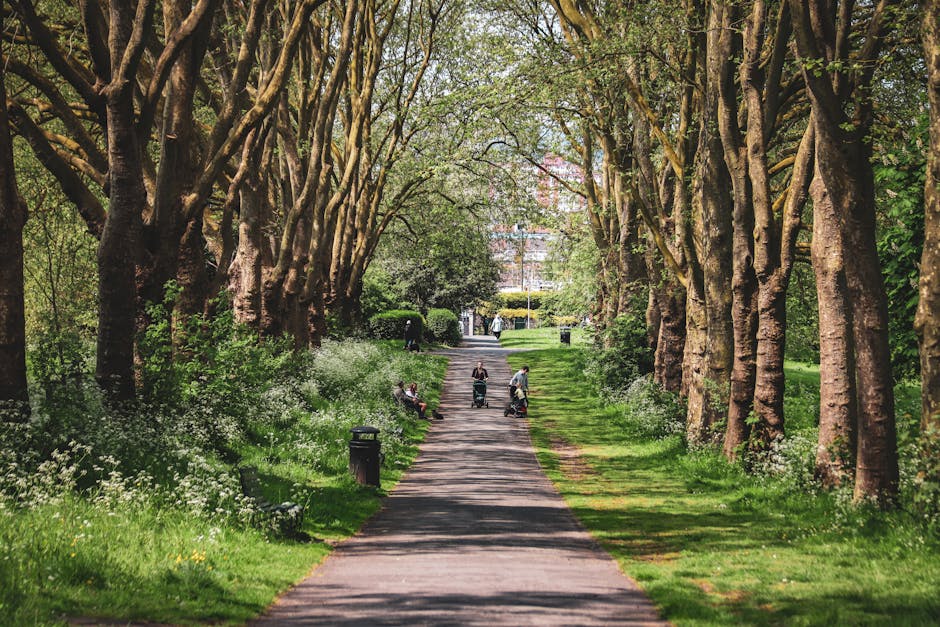
The verge may be small, but it plays a much bigger role than most people realise. In a place like Brockwell Park, the surrounding streets often carry heavy foot traffic, parked cars, prams, dogs, cyclists, bins, and the usual London mix of hurry and weather. A tidy verge can soften a street, help with biodiversity, and make a frontage feel cared for. A poorly planned one, though, can become a nuisance very quickly.
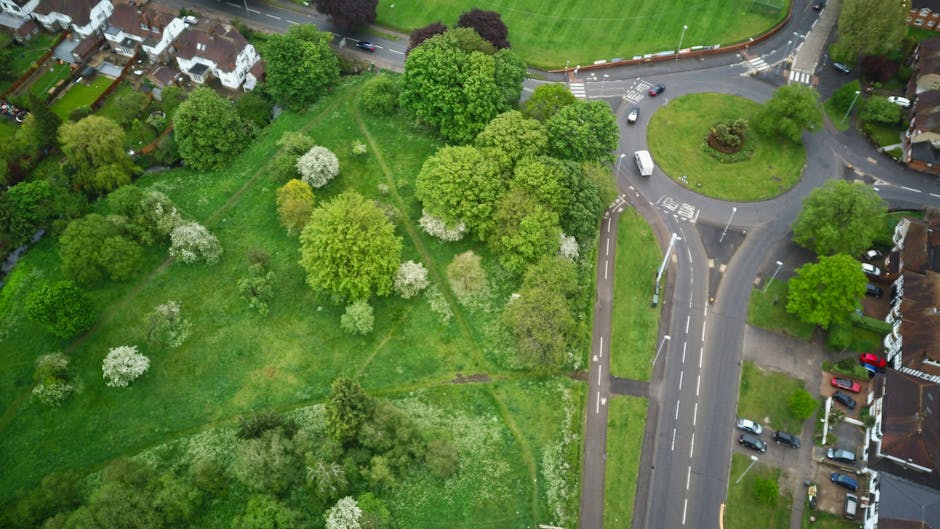
Council guidance matters because verge spaces are usually not just "your bit" in the same way a private border is. They can sit in a grey zone of public realm, highway, or managed open-space edge. That means the council may care about visibility, access, drainage, trip hazards, wildlife value, maintenance, and whether anything planted could spread, obstruct, or create conflict with neighbours. If you are gardening near Brockwell Park, the safest mindset is: improve, but do not assume ownership.
There is also a community angle. One resident's wildflower patch can be another resident's blocked footway or allergy concern. To be honest, most complaints about verge gardens are not about the plants themselves. They are about overhang, mess, hidden edges, or someone changing the look of a shared space without telling anyone. A little communication solves a lot.
Expert summary: Treat a verge like a shared interface, not a private border. Keep it low, visible, tidy, and easy for people to pass, and you will avoid most of the headaches that cause friction later.
How Brockwell Park verge gardening rules and council guidance Works
In practice, verge gardening around Brockwell Park usually comes down to three questions: who manages the land, what activity is being proposed, and could it affect safety or maintenance? If you are only clearing litter, removing weeds by hand, or planting something very low and non-invasive in a small strip, the conversation is usually straightforward. If you are digging out turf, adding timber edging, installing planters, or altering sightlines, the conversation becomes more serious.
It helps to think in layers:
- Light-touch care such as weeding, deadheading, sweeping, or topping up mulch may be acceptable in some situations, especially if it improves tidiness and does not alter the space permanently.
- Moderate changes like adding perennial planting, low ground cover, or a simple pollinator strip may need caution if the verge is visible from roadways or likely to be mown by contractors.
- Structural changes such as edging, rocks, raised beds, posts, fencing, or anything that reduces access usually require explicit approval or at least a very clear check with the relevant authority.
This is where the council guidance side matters. Local authorities tend to look for practical issues rather than garden design flair. They ask: will it obstruct maintenance? will it create a trip risk? will it reduce sightlines for drivers or pedestrians? will it block drainage? will it become a place for debris or fly-tipping? The plant palette is almost secondary at that point.
If you are planning a verge scheme from scratch, it can help to borrow the logic of ordinary garden planning rather than rushing in. A good starting point is simple planting basics that prevent avoidable mistakes. And if the verge is shaded by trees or buildings near the park edge, you may find ideas from shade-tolerant planting approaches surprisingly useful.
Key Benefits and Practical Advantages
When done properly, verge gardening can deliver a lot for a small strip of land. It is one of those rare tasks that can make a street feel calmer almost immediately. You walk past, and it just looks better. Sounds simple. It is simple, but only if you keep it sensible.
- Better streetscape - a managed verge softens hard paving and creates a more welcoming frontage.
- More biodiversity - low-risk planting can support pollinators, soil life, and seasonal interest.
- Less visual neglect - even modest maintenance can reduce the "left-behind" look that some verges develop.
- Community pride - shared spaces improve faster when residents feel some ownership and care.
- Lower weed pressure - a well-chosen planting scheme can make it harder for invasive weeds to dominate.
There is also a practical advantage people often miss: good verge planting can be cheaper to maintain than repeatedly cutting back unruly growth. A low, resilient scheme may reduce ongoing tidying, especially if you choose plants that handle dry spells, foot traffic edge conditions, and occasional neglect. If that sounds appealing, a few ideas from low-maintenance garden planning and ground cover planting may be worth a look.
One more thing: a neat verge can also reduce conflict. People are less likely to complain about a space that looks intentional and maintained. That is just human nature, really.
Who This Is For and When It Makes Sense
This guidance is useful for a few different people. Some are homeowners near Brockwell Park who want to make the front edge of their property look smarter. Some are tenants who are trying to do the right thing without accidentally overstepping. Others are community-minded residents, volunteer groups, or neighbours trying to create a more attractive street corner. And sometimes it is just one person with a trowel, a weekend, and an itch to improve that one sad patch of grass outside.
It makes sense if you are:
- planning a small pollinator-friendly planting area
- clearing weeds from an existing verge
- replacing patchy turf with low planting
- trying to stop soil washing away
- improving a frontage that gets compacted by foot traffic
- looking for a more environmentally friendly, less bare finish
It makes less sense if the space is heavily used by pedestrians, if it sits close to a junction, if contractor access needs to be preserved, or if your idea involves permanent edging or larger shrubs. In those cases, it is worth slowing down and checking first. Honestly, slow is better here.
If your interest is more about redesigning a whole frontage or adjoining garden space, the broader services and advice on landscaping support and routine garden maintenance can help you think through upkeep rather than just the initial planting.
Step-by-Step Guidance
Before you plant a single thing, decide whether you are improving a soft edge, or changing the nature of the space. That distinction matters more than people think.
- Inspect the verge carefully. Look for drains, cables, paving joints, tree roots, lamp columns, visibility splays, and places where pedestrians already cut across the edge.
- Check who likely manages it. If the verge sits on public land or alongside a maintained route, assume there may be rules beyond your own preference.
- Start with a tidy-up, not a redesign. Remove litter, dead material, and obvious weeds first. See how the space behaves in real conditions.
- Choose low, non-invasive planting. Ground cover, compact perennials, and tough seasonal plants are usually easier to live with than shrubs or anything that flops over.
- Keep the line low and legible. The goal is to improve the verge without confusing the boundary between public access and planted area.
- Avoid permanent hard landscaping unless approved. Timber frames, stones, raised beds, and edging can quickly move a harmless idea into a permissions issue.
- Maintain a clear footway edge. A planting strip should never force people into the road or create a squeeze point.
- Monitor after rain and wind. Brockwell Park can get blustery, and the weather does not care about your neat plan. Check whether soil shifts, mulch blows, or stems lean.
- Adjust seasonally. Prune lightly, top up mulch, replant gaps, and keep an eye on anything spreading too enthusiastically.
For many people, the best first move is still the boring one: weed, tidy, and observe. Then plant. That order saves a lot of regret. If your verge is exposed to wind, a guide like managing windy conditions in the garden can help you select sturdier planting. If weather damage is a concern, severe weather preparation advice is useful too.
Expert Tips for Better Results
People often assume verge gardens need to be ornamental to work. They do not. In fact, the most successful ones are usually the least fussy. Think resilient, low, and intentional. Not crowded. Not flashy. Just calm.
- Use repeated plant groups rather than lots of different species. Repetition looks cleaner and is easier to maintain.
- Keep flowers and foliage below knee height near paths or corners where visibility matters.
- Pick plants that cope with compaction and dry soil if the verge is close to a busy pavement.
- Mulch lightly to suppress weeds, but avoid loose material that blows around or spills onto walking surfaces.
- Plan for maintenance from day one. If no one will water, deadhead, or trim it, choose plants that forgive neglect.
- Leave space for mower access if the area may still be cut by contractors.
Here is a slightly unglamorous truth: if you cannot maintain a verge on a rainy Tuesday in March, it probably will not thrive in August either. So choose for reality, not for a mood board.
For ideas on disciplined pruning and neat finishes, hedge-trimming style ideas and weed management basics can help you keep the edge sharp without making it look overworked. If you are trying to build a greener, lower-impact planting strip, you may also appreciate climate-conscious gardening ideas.
Common Mistakes to Avoid
Most verge problems come from a short list of avoidable errors. The good news? They are easy to sidestep once you know them.
- Planting too tall - high plants can block sightlines, create a cramped feel, and invite complaints.
- Using aggressive spreaders - some plants look lovely until they start taking over a thin strip of soil.
- Adding rigid edging without checking - even small barriers can be treated as a hazard or an unauthorised change.
- Ignoring drainage - if water pools or runs off the footway, the verge will quickly become messy.
- Assuming the space is private - this is where people get into trouble, usually by accident.
- Leaving bare soil exposed - bare ground invites weeds, mud, and a generally untidy finish.
- Trying to do too much at once - a modest, well-kept strip beats a grand plan that nobody maintains.
The biggest mistake, though, is tone-deaf design. A verge should blend into the street. It should not shout. If you are tempted by large pots, fancy borders, or decorative stones, pause for a moment and ask: will this still look sensible in November when the leaves are wet and the pavement is crowded? Sometimes the answer is yes. Often, not quite.
Tools, Resources and Recommendations
You do not need a van full of kit to manage a verge properly. A few well-chosen tools are enough, and using the right ones makes the work safer and neater.
- Hand fork and trowel for small planting and weed removal
- Secateurs for tidy cuts on spent stems or stray growth
- Spade or border fork if the soil needs loosening
- Bucket or trug for debris and cuttings
- Gloves and sturdy footwear because broken glass and sharp debris do turn up, annoyingly
- Light mulch to reduce weeds and moisture loss
- String line or simple visual markers if you want to keep a clean, low edge
If you are starting from a tired or abandoned strip, it helps to think in terms of revival rather than perfection. revamping neglected spaces is a useful mindset, and so is turning organic waste into soil nutrition where appropriate. For greener ideas in tight spaces, vertical garden inspiration can help you think creatively, even if the verge itself stays low.
If you want to manage the planting as a small project rather than a one-off tidy-up, professional help may be useful for edging, soil preparation, pruning, or ongoing upkeep. In that case, a visit to general gardening services or lawn care support can be a sensible next step. If the verge sits beside a hedge or boundary structure, hedge trimming help may also be relevant.
Law, Compliance, Standards, or Best Practice
This is the bit where caution matters. Without pretending to give legal advice, the practical rule is simple: if the verge is public-facing, assume there may be council, highway, or land-management considerations before making permanent changes. Councils typically care about pedestrian safety, visibility, access for maintenance, and avoiding hazards. That is the heart of most verge guidance, even when the wording varies.
Best practice in the UK usually means the following:
- do not obstruct a footway, entrance, drain, or sightline
- avoid sharp, brittle, or unstable materials near public access
- keep planting low and manageable unless explicit approval says otherwise
- avoid species that are invasive, excessively thorny, or likely to spread unchecked
- do not assume temporary improvements are automatically allowed to become permanent ones
- check whether mowing, cleansing, or utilities access must be preserved
If a council or landowner has provided guidance, follow that rather than relying on general gardening advice. This is one of those situations where local instruction beats good taste. Not always fun, but it is the sensible line.
If you are unsure whether a verge change could affect safety or access, you may also want to review health and safety information and insurance and safety guidance before carrying out anything more involved. For project terms, payment, or service expectations, terms and conditions and payment and security are useful too.
Options, Methods, or Comparison Table
Not every verge should be treated the same way. Some need only a tidy edge. Others can support a modest planting scheme. A few are better left alone except for basic clearance. Here is a practical comparison.
| Approach | Best for | Pros | Risks |
|---|---|---|---|
| Light tidying only | Busy verges, uncertain ownership, quick improvements | Low risk, easy to maintain, usually uncomplicated | Less visual impact, may still feel bare |
| Low planting strip | Calm frontage, wider verge, regular maintenance possible | Better biodiversity, cleaner look, more intentional | Needs species choice and ongoing care |
| Mulched verge with ground cover | Dry or weedy strip where soil is poor | Suppresses weeds, improves soil condition | Mulch can move, and planting must still be kept low |
| Structural verge redesign | Only where permission is clear and access is not compromised | Strong visual transformation | Most likely to need approval and long-term upkeep |
In plain terms, the safest option is usually the least dramatic one. If you are drawn to a more planted look, it is wise to start with a small section first and see how it behaves over a season. A little patience saves money, and, frankly, a lot of embarrassment if the first attempt turns into a floppy mess by midsummer.
Case Study or Real-World Example
Imagine a resident living a few streets from Brockwell Park with a narrow, tired verge outside a terrace home. It is patchy, full of weeds, and gets trodden on by everyone cutting the corner. The resident wants to improve it without causing a fuss.
Instead of digging in a raised bed or laying decorative stones, they begin with a modest plan. First, they clear litter and unwanted growth by hand. Then they loosen the top layer of soil, add a little compost, and plant a low mix of hardy ground cover and compact pollinator-friendly perennials. They keep everything below knee height and leave a clean edge by the footway. No wooden sleepers, no fencing, no towering grasses. Just simple, tidy planting.
What happens next is the useful bit: the space looks neater within weeks, neighbours stop stepping through mud, and the strip becomes easier to manage. It is not perfect. A few plants fail, and one corner needs replanting after a very wet spell. But because the design was modest and careful, the problem is manageable rather than catastrophic.
That is really the model to aim for. Small, sensible, revisable. If you are ever tempted to do a lot in one go, remember that the best verge projects often look almost boring at first glance. Then spring arrives, and the whole thing quietly lifts the street.
Practical Checklist
Use this checklist before you start any verge work near Brockwell Park.
- Confirm whether the area looks public, shared, or clearly private
- Check for drains, roots, lamp posts, and access points
- Decide whether your plan is light tidying, planting, or structural change
- Keep all planting low enough to preserve sightlines
- Choose non-invasive, resilient plants suited to urban conditions
- Avoid sharp edging, rocks, or barriers unless approved
- Leave a clear route for pedestrians and maintenance access
- Plan ongoing watering, weeding, and seasonal cutting back
- Watch how the space behaves after rain and wind
- Ask for permission or guidance if you want to make permanent changes
If you can tick most of those items off, you are already ahead of many well-meaning verge projects. That is not a dig. It is just how these things go.
If your frontage needs more than a light tidy, it may be worth discussing options with a local team through pricing and quotes or learning more about the people behind the service. For broader outdoor improvements, patio cleaning, lawn mowing, fencing, and tree surgery may also come into play around the same property. Different jobs, same goal: a safer, better-kept outdoor space.
Conclusion
Brockwell Park verge gardening works best when it is treated as a shared-space improvement, not a private design project. Keep it low, tidy, resilient, and respectful of access, and you will usually stay on the right side of council expectations. That is the core message. Everything else hangs off it.
The real trick is not making the verge look dramatic. It is making it look cared for in a way that still suits the street, the footfall, and the local guidance. A small well-planted edge can do a lot. A careless one can become a problem very quickly. So start modestly, check first when needed, and build from there.
Get a free quote today and see how much you can save.
And if you are still weighing up what is sensible for your own patch, take it one step at a time. The best verge gardens are rarely rushed, and that is probably why they last.
Frequently Asked Questions
Can I plant on a verge near Brockwell Park without asking permission?
Sometimes light tidying or non-permanent planting may be fine, but you should not assume the verge is yours to alter. If the space is public-facing, managed land, or likely to be maintained by contractors, check first before making changes.
What kind of plants are safest for a verge garden?
Low, hardy, non-invasive plants are usually the safest choice. Ground cover, compact perennials, and drought-tolerant species tend to work better than large shrubs or anything that spreads aggressively.
Are raised beds or edging allowed on verge land?
Raised beds, timber edging, stones, and similar features are much more likely to need permission because they can affect access, maintenance, and safety. In many cases, they are not the best first option.
Why do councils care so much about verge gardening?
Councils are usually focused on pedestrian safety, visibility, drainage, access for maintenance, and avoiding nuisance. The garden itself is rarely the issue; the risk created by the change is what matters.
Can verge planting help with weeds?
Yes, if it is done properly. Low, dense planting or a light mulch can reduce bare soil and make it harder for weeds to dominate. But it still needs occasional care, otherwise weeds will find a way, as they always do.
What should I avoid planting near the pavement?
Avoid tall, thorny, brittle, or invasive plants near pedestrian routes. Anything that blocks sightlines, sheds messy debris, or sprawls across the footway is likely to cause problems.
How much maintenance does a verge garden need?
That depends on the design, but even a low-maintenance verge needs occasional weeding, watering during dry spells, and seasonal cutting back. If nobody can maintain it, keep the design very simple.
Is verge gardening different from normal front garden planting?
Yes. Verge spaces are more exposed, more public, and more likely to be subject to council or highway considerations. What works in a private front garden may not be suitable at the roadside.
What if my verge gets damaged by mowing or foot traffic?
That is common in busy areas. Choose tougher plants, keep them compact, and avoid fragile edging. If damage keeps happening, the design probably needs simplifying rather than becoming more elaborate.
Can verge gardening improve biodiversity around Brockwell Park?
Yes, especially if you use low-flowering plants, varied foliage, and a small amount of habitat structure without creating obstructions. Even a modest verge can support pollinators and improve the feel of the street.
What is the best first step if I am unsure about the rules?
Start with observation and a light tidy, then seek guidance before you make any permanent change. That approach is usually safer than rushing into planting and hoping for the best.
Where can I get help with a verge or frontage project?
If you want help planning, planting, maintaining, or reshaping a small outdoor area, it is sensible to speak with a local gardening team that understands practical upkeep as well as appearance. That way the job stays neat long after the first weekend effort has faded.